Highlight
Women in Leadership at DTCare
Equal opportunity for women is innate to the DTCare organization. DTCare is built on the principles of inclusivity and equal representation. At DTCare, we value diversity in expertise, perspectives, and know-how that makes a positive impact and helps fulfill our mission.
Zemira Konjalic
Zemira Konjalic brings a strong background in program management and many years of experience in the local non-profit industry to the team as DTCare’s regional manager for Western Balkans.
She worked with numerous non-profit organizations to promote and preserve cultural diversity, biodiversity, and to aid displaced individuals.
Zemira steers DTCare’s Bosnia & Herzegovina operations with tactful savvy and expertise to aid law enforcement capacity building, environmental conservation, and promoting civil liberties.
How we meet the UN’s sustainability goals
-
![UN 17 Sustainability Goals - Goal 11]()
Goal 11: Sustainable Communities
DTCare is addressing biodiversity loss and promoting sustainable beekeeping practices in Bosnia and Herzegovina to uplift local beekeepers and combat bee extinction in collaboration with the University of Sarajevo.
Learn more → -
![UN 17 Sustainability Goals - Goal 15]()
Goal 15: Life on Land
DTCare is educating local beekeepers on sustainable beekeeping practices to protect bee colonies and address some of the current challenges local beekeepers face in Bosnia and Herzegovina.
Learn more → -
![UN 17 Sustainability Goals - Goal 16]()
Goal 16: Peace, Justice, and Strong Institutions
By enhancing security, preparedness, and resilience, DTCare’s Active Attack Preparedness initiative, in partnership with ALERRT, supports efforts to reduce violence, strengthen institutions, and build safer societies.
Learn more → -
![UN 17 Sustainability Goals - Goal 17]()
Goal 17: Partnerships for the Goals
DTCare’s MOVEMENT Camp, Active Attack Preparedness, and Disaster Response Preparedness initiatives are built on regional and international cooperation, supporting SDG 17’s call for effective partnerships.
Learn more →

Bosnia & Herzegovina Operations
Leading the Way through Youth Empowerment, Capacity Building, and Defending Civil Liberties
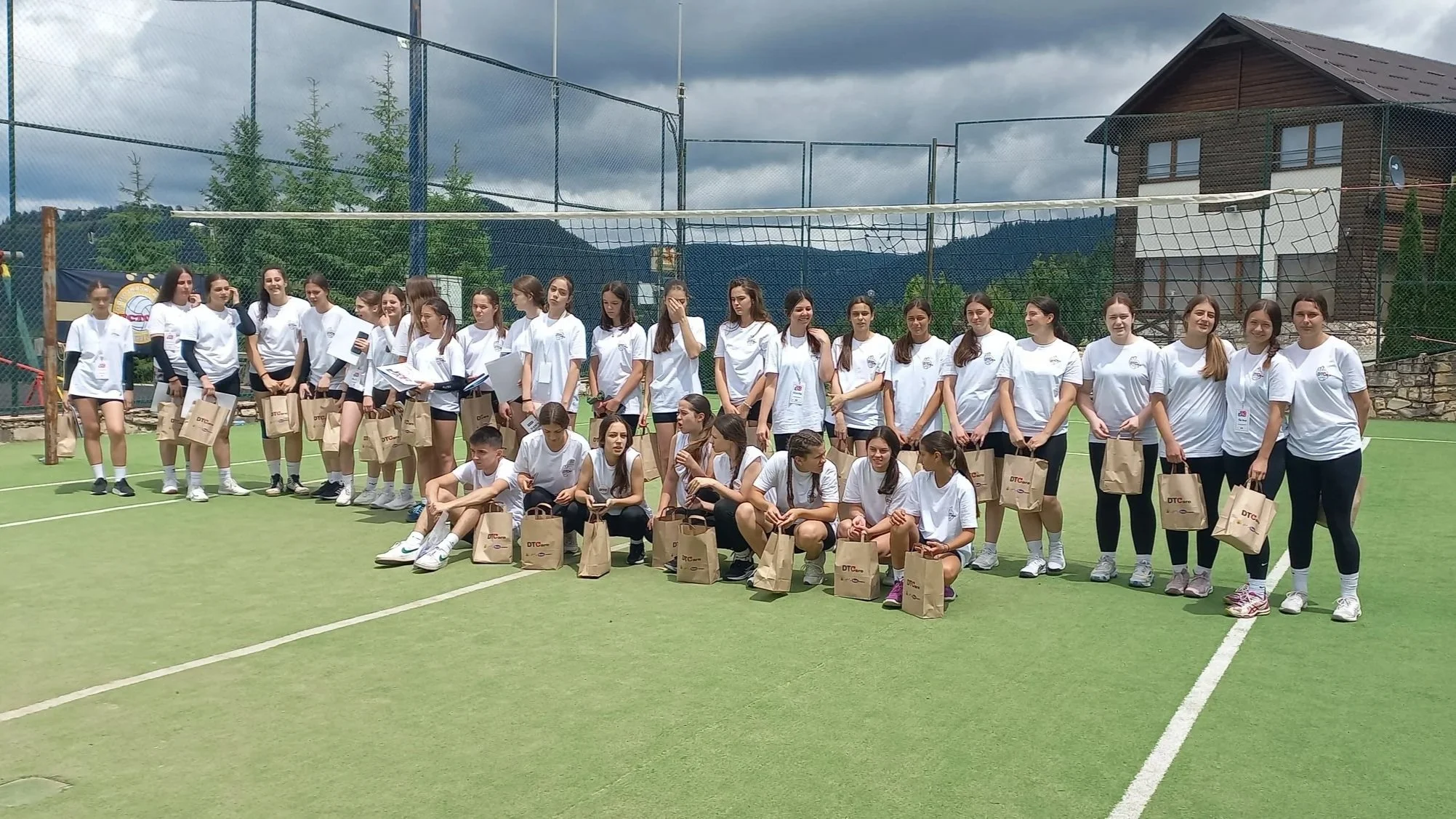
DTCare in Sarajevo was formed to address youth engagement, public safety, environmental concerns, education, conflict, and reconciliation in a politically divisive environment. Within six months of its inception in Bosnia and Herzegovina, DTCare Sarajevo completed various projects that defined its future activities, based on challenges observed in the area, ranging from beekeeping workshops to building community and camaraderie through arm wrestling and volleyball. DTCare proudly hosts, with the support of local partners, our annual MOVEMENT Volleyball Camp for girls, building bridges and empowering young volleyball teams through training, teambuilding, and personal development.
We expanded operations into Bosnia and Herzegovina when we noticed that the country was ripe for action across several fronts, from disarmament to civil society building. In the security sector, we noticed a distinct lack of cooperation and coordination, especially in emergency and crisis response. Several of our projects address these issues directly, including our ongoing cooperation with Texas State University’s ALERRT program and CEPS College to facilitate active shooter and attack preparedness training for law enforcement and civilians. In addition, our CANDOR initiative, developed in partnership with leading regional and international experts, advances disaster response preparedness through specialized workshops and training, strengthening resilience to natural and manmade crises across the Western Balkans.
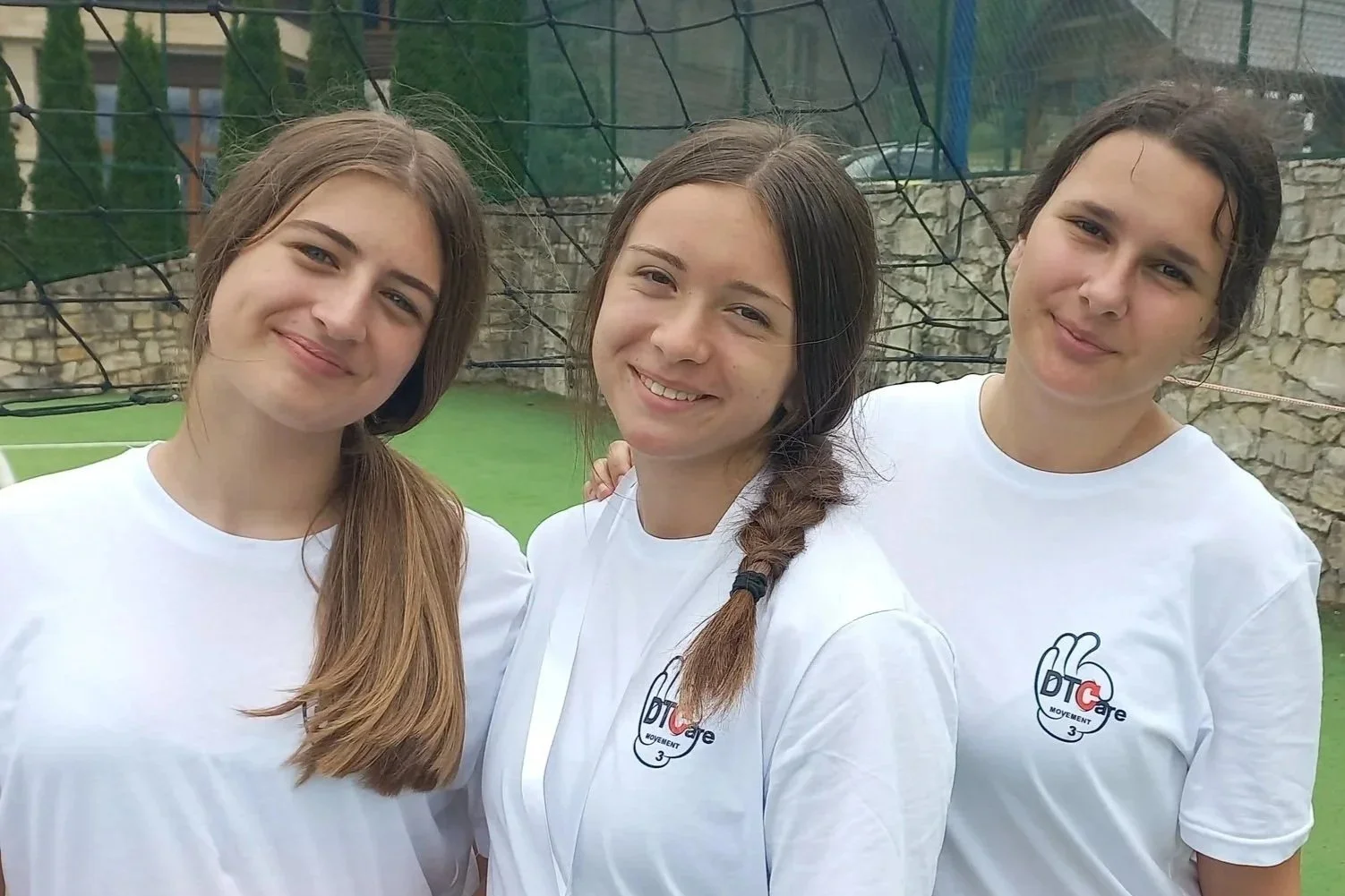
The MOVEMENT Volleyball Camp for girls is an annual highlight for youth seeking growth, inclusion, and athletic excellence. Each year, this dynamic camp brings together young participants from diverse backgrounds to develop volleyball skills, build confidence, and foster lasting friendships in a supportive environment. Led by experienced coaches and mentors, the camp’s curriculum combines technical training, teamwork exercises, and personal development workshops, ensuring a holistic experience for every athlete.
Beyond the game, the MOVEMENT Volleyball Camp emphasizes important values such as leadership, cultural understanding, and healthy living. Campers enjoy engaging drills, spirited matches, and fun social activities that promote resilience and character-building both on and off the court. In 2025, the MOVEMENT Volleyball Camp welcomed another enthusiastic group, continuing its tradition of creating meaningful impact and strengthening youth communities.

Activity workshops and assistance seminars aimed at improving border security and law enforcement capacity as well as initiating judicial reform while ensuring dignity, compassion, and human rights during the ongoing migration crisis.
The promotion of public safety and civil society through thematic interactive workshops combining the knowledge, expertise, and inputs of university students (security studies, human rights, criminal justice, law) and working professionals and experts to combat illegal activity, corruption, human and animal trafficking.

Bosnia and Herzegovina faced a devastating war in the 1990s, making disarmament and regional security vital for post-conflict stability. The implementation of the Dayton Peace Accords in 1995 played a pivotal role in unifying the armed forces and establishing effective arms control and weapons reduction measures. The ongoing circulation of small arms and light weapons continues to challenge the security landscape in Bosnia and Herzegovina and the wider Balkan region.
As a leader in crisis management, DTCare’s founding members have actively contributed to academic advancements in emergency operations and regional security at the University of Sarajevo, publishing textbooks in these fields. To address immediate and long-term security risks, DTCare implements specialized preparedness initiatives. The Active Attack Preparedness (in partnership with TXU’s ALERRT Center) program delivers essential training to local law enforcement and communities, empowering them to respond effectively to active attack scenarios. Additionally, DTCare’s Disaster Response Preparedness (CANDOR) initiative provides expert-led workshops and resources to build resilience to natural disasters across the Western Balkans. Together, these programs strengthen community safety, reinforce peacebuilding efforts, and support a stable future for Bosnia and Herzegovina.

Promoting a healthier and safer future through developing scenarios and response-types to curb virulent strains of pathogens.
The Western Balkans region is a home to several endemic pathogens and zoonotic risks that could present potential pathways for emerging epidemic and pandemic scenarios and associated crisis-response.

DTCare is seeking unifying elements in a decentralized society inherent to post-conflict countries.
Targeted programs promote unity and camaraderie through communal projects, community building, civics education, mapping of peace-building strategies and re-establishment of cross-cultural dialogue.

Women’s empowerment through creating awareness and promoting inclusivity systematically.
Women in smaller communities remain under-utilized in community development and civic-consciousness building while their needs and interests are not taken into account jeopardizing their human rights.

Workshops addressing the current perils local beekeepers are facing from the effects of climate change, pollution, habitat loss, pests, diseases and ignorance to raise awareness and facilitate solutions.
DTCare in cooperation with the University of Sarajevo seeks to improve beekeeping effectivity, biosecurity, and nutritional aspects of bee-products in an attempt to uplift local beekeepers and work against bee extinction.

To aid families in need, DTCare secured and distributed a sizeable quantity of heating pellet, a greener stove fuel alternative to burning coal or wood, in and around Sarajevo during the protracted cold spell in January, 2022.
Burning fossil fuels such as coal, oil, and gas, produce heat-trapping gasses which prevent heat from escaping the atmosphere causing global warming. DTCare’s efforts to combat climate change are focused on bee conservation and protection and reducing air pollution by minimizing the burning of fossil fuels and heat-trapping gas in and around Sarajevo, one of the highest-ranking air polluting capitals of the world.

Our first regional arm-wrestling championship to benefit victims of muscular dystrophy (MD).
Fostering youth sports and weaving them into a conduit for supporting those struggling with mental health and trauma that do not have access to the healthcare resources they need.
Where We Work in the Balkans
Regional Contacts for Bosnia & Herzegovina
Zemira Konjalic
Regional Manager Balkans
+387 61 782 012 / zemira@dtcare.org
PROFILE →
Amer Smailbegovic
Technical Advisor Balkans
amer@dtcare.org
PROFILE →